
How we work
Rigorous evidence, engineered for decision-makers.
We partner with pharma, biotech, and medical device companies to anticipate evidence challenges, generate rigorous clinical, economic, and outcomes evidence, and build defensible value propositions for health technology assessment and reimbursement.
Evidence across the lifecycle
Our work spans early evidence strategy, literature reviews, indirect treatment comparisons, health economic modelling, reimbursement submissions, and post-launch evidence evolution.
Built to withstand scrutiny
We combine methodological depth, analytical discipline, and a practical understanding of how decision-makers evaluate evidence. Every program is designed to be robust, transparent, coherent, and aligned with the relevant jurisdiction and decision context.
Innovation with purpose
We support the rigorous, transparent, and responsible application of artificial intelligence, machine learning, automation, and other emerging computational methods across the health technology evidence lifecycle. These approaches are used where they strengthen quality, efficiency, reproducibility, or insight—not as a substitute for expert judgment.
Intelligence informed by precedent
Our work is strengthened by [hta]DataMine™, our proprietary health technology assessment intelligence platform. Built on the structured analysis of more than 2,500 reimbursement decisions, it helps identify precedent, benchmark evidence drivers, and anticipate how emerging data may shape future submissions.
Senior-led, multidisciplinary delivery
Our team brings together health economists, statisticians, evidence synthesis specialists, clinicians, data scientists, and market access advisors. We support clients across North America and Europe, from early planning through submission, defence, reassessment, and lifecycle management.
Our senior team
Senior-led, multidisciplinary delivery.

Eric Druyts, MSc
Chief Executive Officer, Managing Director
Eric is a recognized leader in health technology assessment and evidence synthesis, with 25 years of experience shaping evidence strategies and supporting reimbursement across North America and Europe. He has led numerous evidence programs and reimbursement submissions for pharma, biotech, and medical device companies, helping them engage effectively with public and private payers through strategic insight, methodological rigor, and disciplined execution.
A highly experienced methodologist, Eric has led or advised on more than 400 systematic literature reviews, 200 comparative effectiveness analyses—including network meta-analysis and population-adjusted indirect comparisons—and more than 100 economic evaluations. A global bibliometric review published in BMJ Open identified him among the most prolific authors in the field of indirect treatment comparisons and network meta-analysis.
Eric is also an active contributor to health technology assessment methods and policy research. His recent work has examined epidemiological estimation in rare diseases, the influence of evidence uncertainty on oncology reimbursement decisions, and the role of country-specific utility values in health technology assessment submissions. He has a particular interest in the rigorous, transparent, and responsible application and evaluation of artificial intelligence, machine learning, automation, and other emerging computational methods across the health technology evidence lifecycle.
He has authored more than 75 peer-reviewed publications and serves as an Editor for Frontiers in Digital Health.
Eric completed graduate training in health technology assessment, evidence synthesis, and health economics at the University of British Columbia, University of Victoria, University of Oxford, and University of Glasgow.
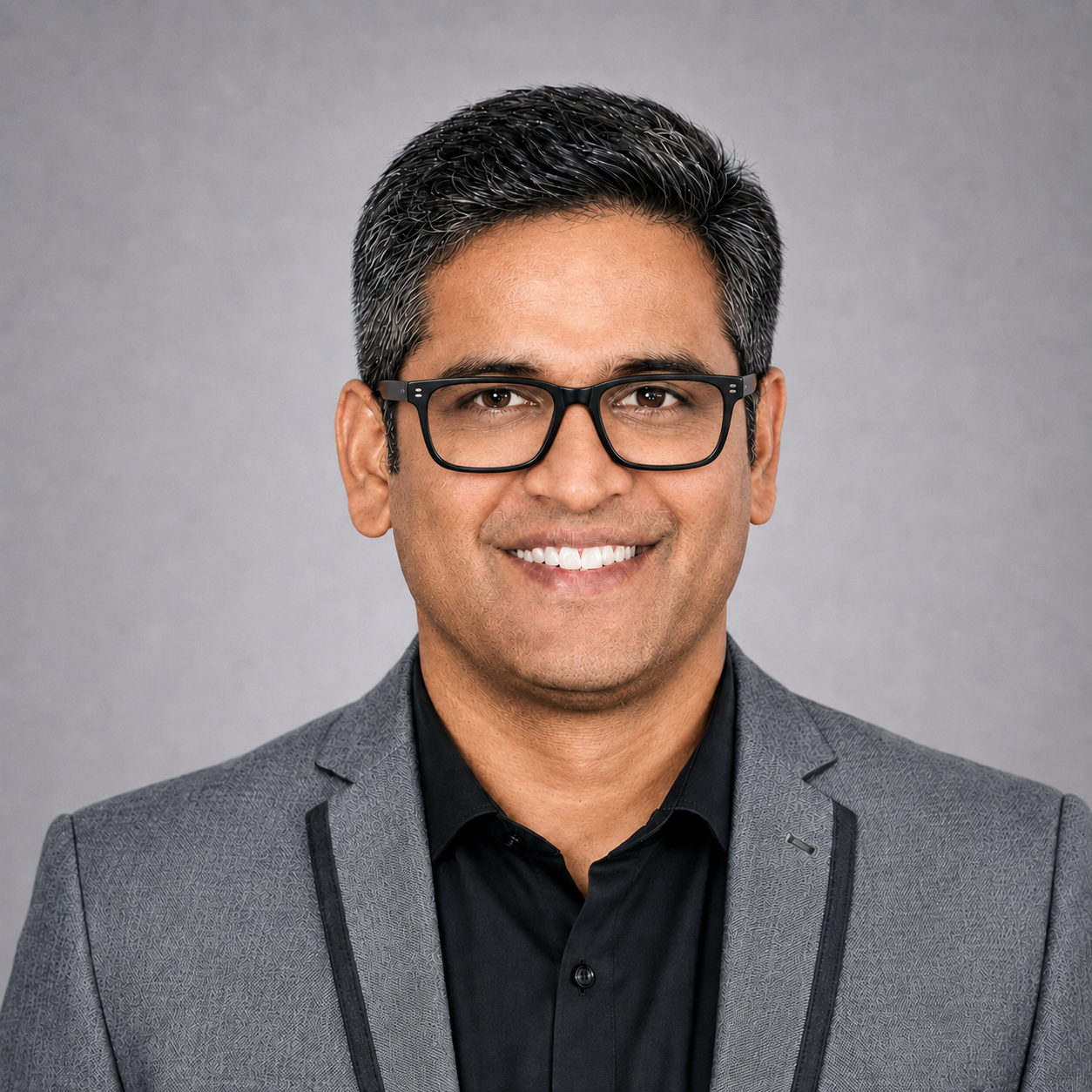
Chak Balijepalli, MD, PhD
Chief Scientific Officer, Managing Director
Chak is a recognized expert in health economics and outcomes research, clinical epidemiology, and oncology, with 25 years of experience spanning clinical practice, research, evidence generation, and reimbursement strategy. Drawing on his medical background and early clinical experience, he brings a distinctive combination of clinical insight, methodological depth, and strategic understanding to complex evidence challenges.
He has led numerous evidence programs and health technology assessment submissions for pharma, biotech, and medical device companies across global markets. A highly experienced methodologist, Chak specializes in evidence synthesis, comparative effectiveness, and health economic modelling, including systematic literature reviews, network meta-analysis, population-adjusted indirect comparisons, and advanced analytical approaches designed to address evidence gaps and support robust decision-making.
Chak has supported reimbursement submissions to major health technology assessment agencies, including Canada's Drug Agency, the National Institute for Health and Care Excellence, the Scottish Medicines Consortium, France's Haute Autorité de Santé, and Germany's Institute for Quality and Efficiency in Health Care. His therapeutic experience spans cardiovascular, metabolic, and psychiatric conditions, with particular depth in oncology and rare diseases.
He is also an active contributor to methodological and policy research, with an extensive publication record in evidence synthesis, comparative effectiveness, and market access. Chak serves in editorial roles for Frontiers journals and the Journal of Comparative Effectiveness Research.
Earlier in his career, Chak contributed to major population-based epidemiological research programs, including the German National Cohort and the Heinz Nixdorf Recall study. He holds a PhD in Epidemiology from the University of Duisburg-Essen and an MD from NTR University of Health Sciences.
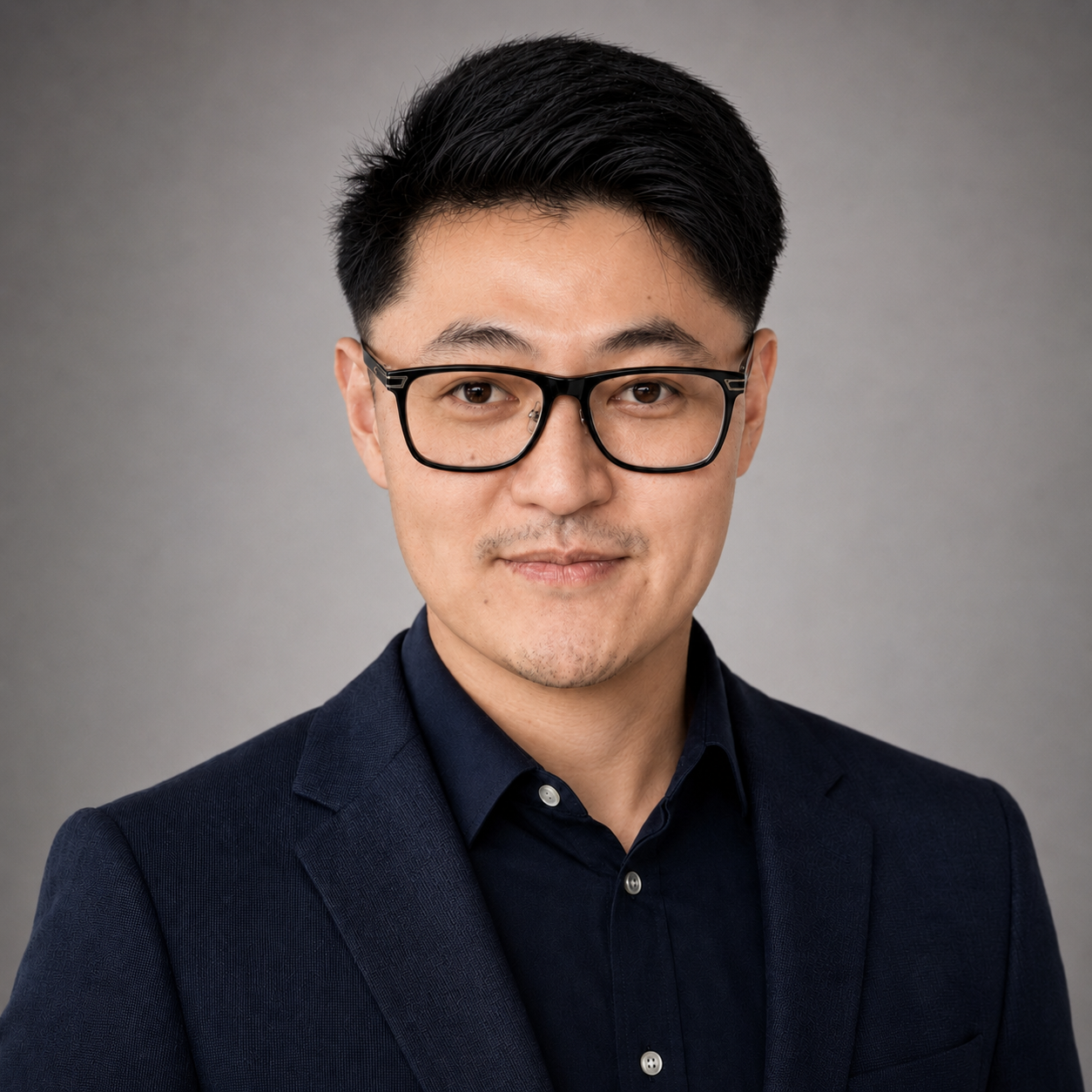
Kevin Yan, BPharm, PhD
Head of Data Analytics
Kevin is a health outcomes researcher, pharmacist, and data analytics leader who brings together clinical expertise, advanced quantitative methods, and scalable technology to solve complex evidence challenges.
As Head of Data Analytics at Pharmalytics Group, he has directed the analytical delivery of more than 100 global evidence synthesis programs, including systematic literature reviews, network meta-analyses, and population-adjusted indirect comparisons. His work supports evidence generation, value demonstration, and health technology assessment submissions across a broad range of therapeutic areas, including oncology, renal and cardiovascular disease, endocrinology, neurology, and respiratory medicine.
Kevin has also designed automated and reproducible analytical workflows that strengthen efficiency, consistency, and transparency across large-scale evidence programs. His methodological interests include the development and validation of disease and health economic models, simulation methods, and the responsible application of automation and emerging computational approaches in health outcomes research.
He is an active contributor to epicR, an open-source platform that uses discrete-event simulation to model complex diseases and healthcare systems.
Kevin completed his pharmacy and graduate training at the University of British Columbia and maintains an active pharmacist licence in Canada.
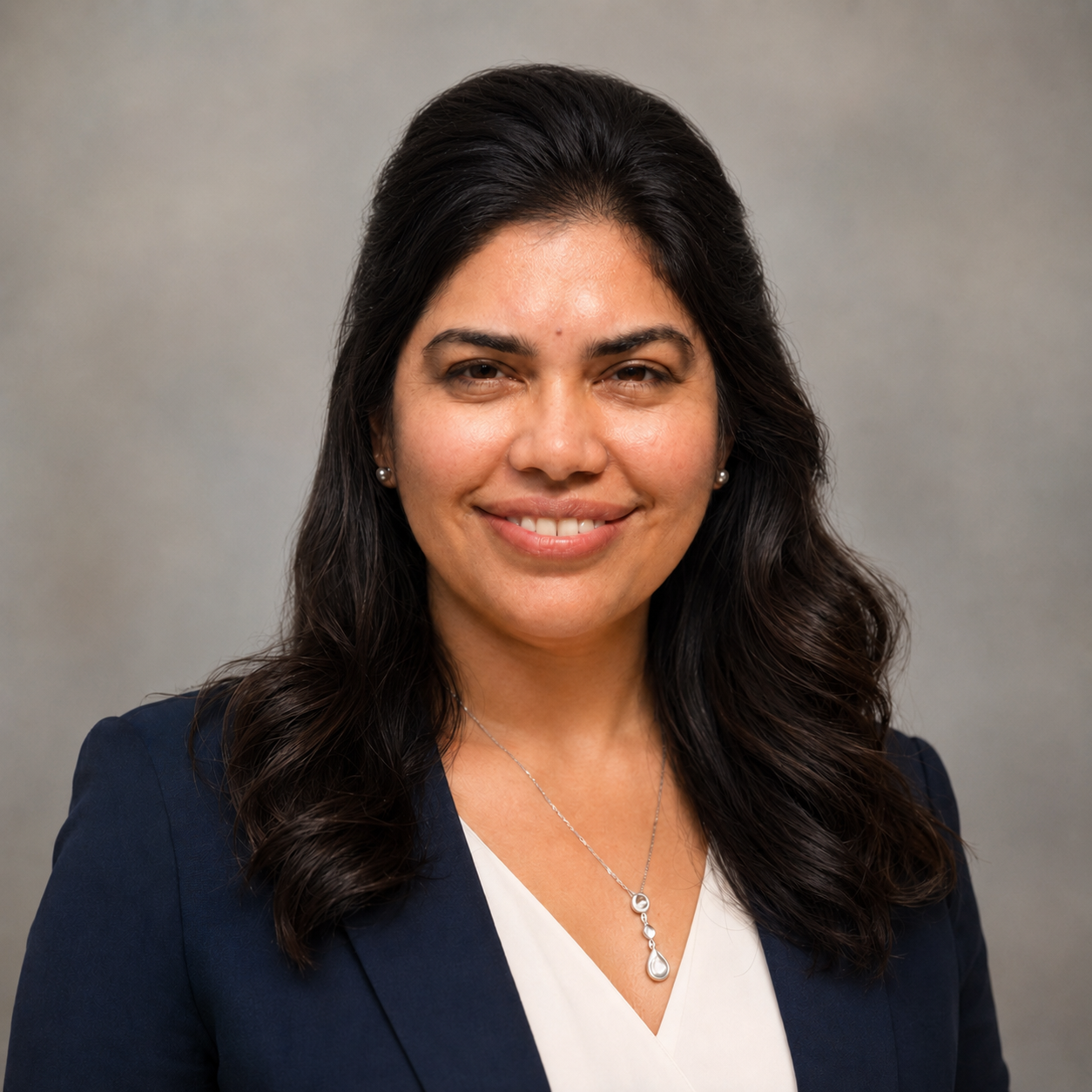
Lakshmi Gullapalli, BTech
Head of Evidence Synthesis
Lakshmi is an evidence synthesis and analytics leader with nearly a decade of experience advancing quantitative methods and delivering rigorous, decision-ready evidence in healthcare. As Head of Evidence Synthesis at Pharmalytics Group, she leads complex analytical programs and helps strengthen the methodological and technical foundations of evidence synthesis across global projects.
A highly skilled statistical programmer, Lakshmi has deep expertise in SAS, R, and other programming environments. Her work spans systematic literature reviews, comparative effectiveness analyses, advanced data analysis, and the development of efficient, reproducible workflows that improve analytical quality, transparency, and consistency.
Lakshmi has supported pharma, biotech, and medical device companies across a wide range of therapeutic areas, with particular experience in oncology, cardiovascular disease, and rare diseases. She works closely with multidisciplinary teams to generate robust clinical and outcomes evidence for health technology assessment, reimbursement, and market access decision-making.
She is also an active contributor to the scientific literature, with publications focused on evidence synthesis methodology, health technology assessment analytics, reimbursement policy, and the evolving use of advanced computational approaches in evidence generation.
Lakshmi holds a bachelor's degree in computer science engineering from Jawaharlal Nehru Technological University and a diploma in Data Analytics from the British Columbia Institute of Technology.
In our words
A note from our founders.
When we founded Pharmalytics Group, we wanted to address a recurring problem we had seen in large consultancies: as organizations grow, their most experienced experts are often absorbed by the machinery of the firm rather than the work clients hired them to do.
Their time shifts toward administration, financial management, internal governance, and the demands of maintaining a large corporate structure. Yet their judgment is most valuable when the evidence is complex, the methodology is uncertain, or an important decision depends on getting the analysis right.
We believe a company can grow without allowing experience to disappear into management.
That does not mean senior experts must perform every task. It means they should remain directly involved in the moments that matter most—defining the problem, setting the strategic direction, challenging assumptions, resolving difficult methodological questions, and determining what the evidence ultimately means.
Our specialist teams bring the depth, focus, and analytical discipline required to execute the work. As founders and senior leaders, we remain close to the strategy and science, helping ensure they stay connected throughout every engagement.
This is the kind of consultancy we set out to build: one that can scale its capabilities without scaling the distance between its most experienced people and the work that creates value for clients.
Eric Druyts and Chak Balijepalli
Founders, Pharmalytics Group